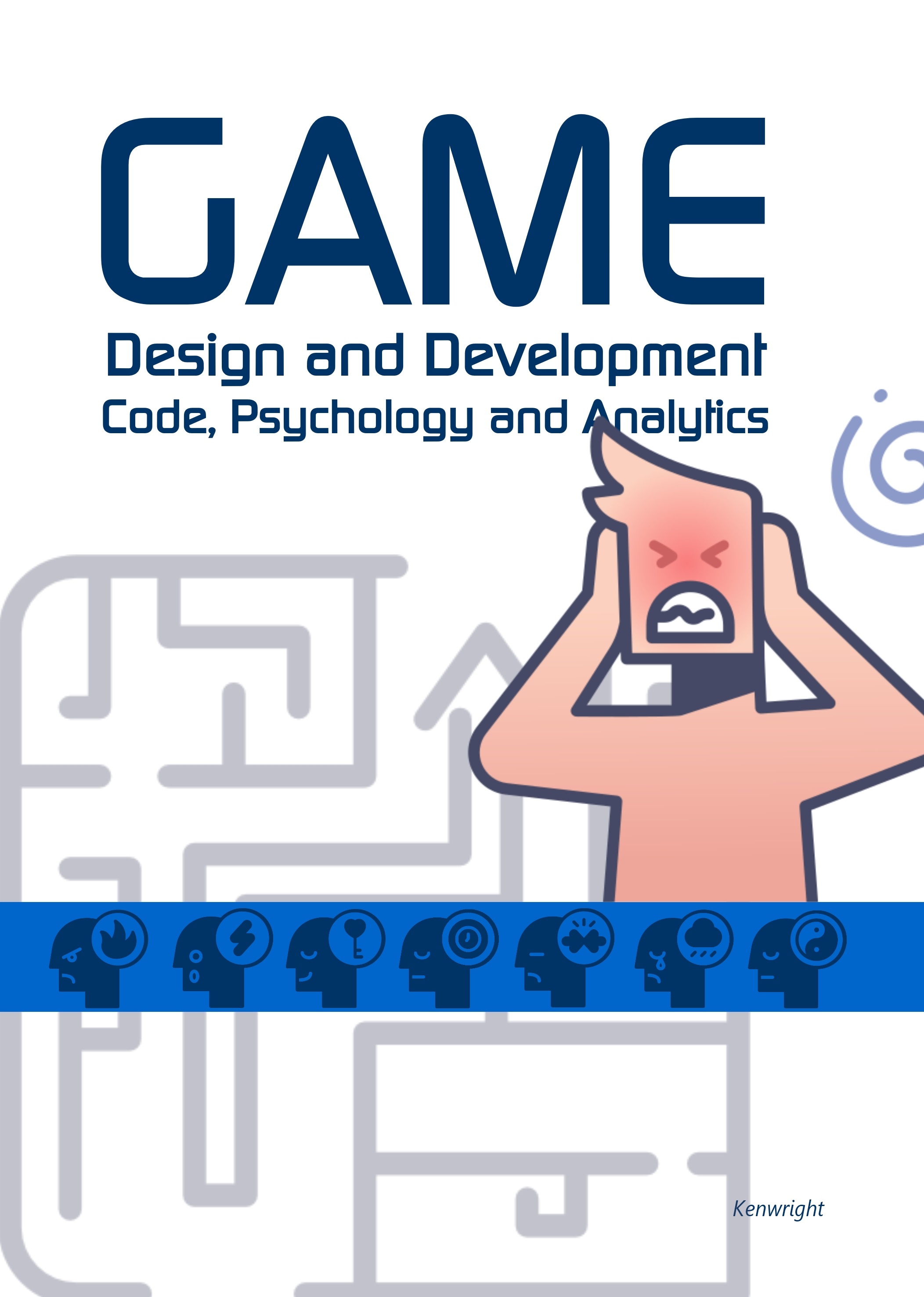
An visionary journey into games, "Game Design and Development: Code, Psychology and Analytics (Paperback)" explores its profound influence on the technological evolution. With clarity and enthusiasm, this essential read delivers fresh perspectives and actionable insights that inspire curiosity and spark meaningful progress.
Whether you're a curious newcomer or a seasoned professional, "Game Design and Development: Code, Psychology and Analytics (Paperback)" offers a vibrant and rewarding exploration of the field. Embark on a transformative journey through the world of games with "Game Design and Development: Code, Psychology and Analytics (Paperback)", a masterfully written guide that blends clarity with depth. With a strong emphasis on real-world relevance, "Game Design and Development: Code, Psychology and Analytics (Paperback)" equips readers with tools and insights to thrive in today's fast-evolving landscape of programming. The author's passion for the subject shines through every chapter, offering readers a refreshing mix of technical rigor and creative inspiration.
I highlighted nearly every page—this book is packed with insights that deserve to be revisited and shared.
The depth of research is impressive, yet the writing remains clear and engaging throughout. A rare balance.
That insight on game analytics really stuck with me—so relevant to my work and thought process.
February 13, 2026I appreciated the way each chapter ended with reflection prompts—it encouraged me to apply what I learned right away.
February 9, 2026
Each chapter builds momentum with such precision and clarity that I found myself reading late into the night.
The author's clarity and warmth made even the most technical sections feel approachable and empowering.
February 8, 2026Stay updated with the latest in tech literature
Quantum computing is a devilishly complex technology, with many technical hurdles impacting its development. Of these challenges two critical issues ...
Read MoreEnhance your reading and learning experience
Take brief notes after each chapter. Summarizing helps cement knowledge.
Follow the 20-20-20 rule: every 20 minutes, look at something 20 feet away for 20 seconds.
Write documentation as if the next person reading it is a violent psychopath who knows where you live.
Use a pointer or your finger to guide your eyes. This can increase reading speed by 25%.
Use the Feynman Technique: teach what you learn to someone else to identify knowledge gaps.
Organize books by color for visual appeal or by genre for practical access.
Sarah Johnson
Professional ReviewerTotally agree. The pacing and structure made it easy to stay engaged and absorb the content without feeling overwhelmed.
February 19, 2026