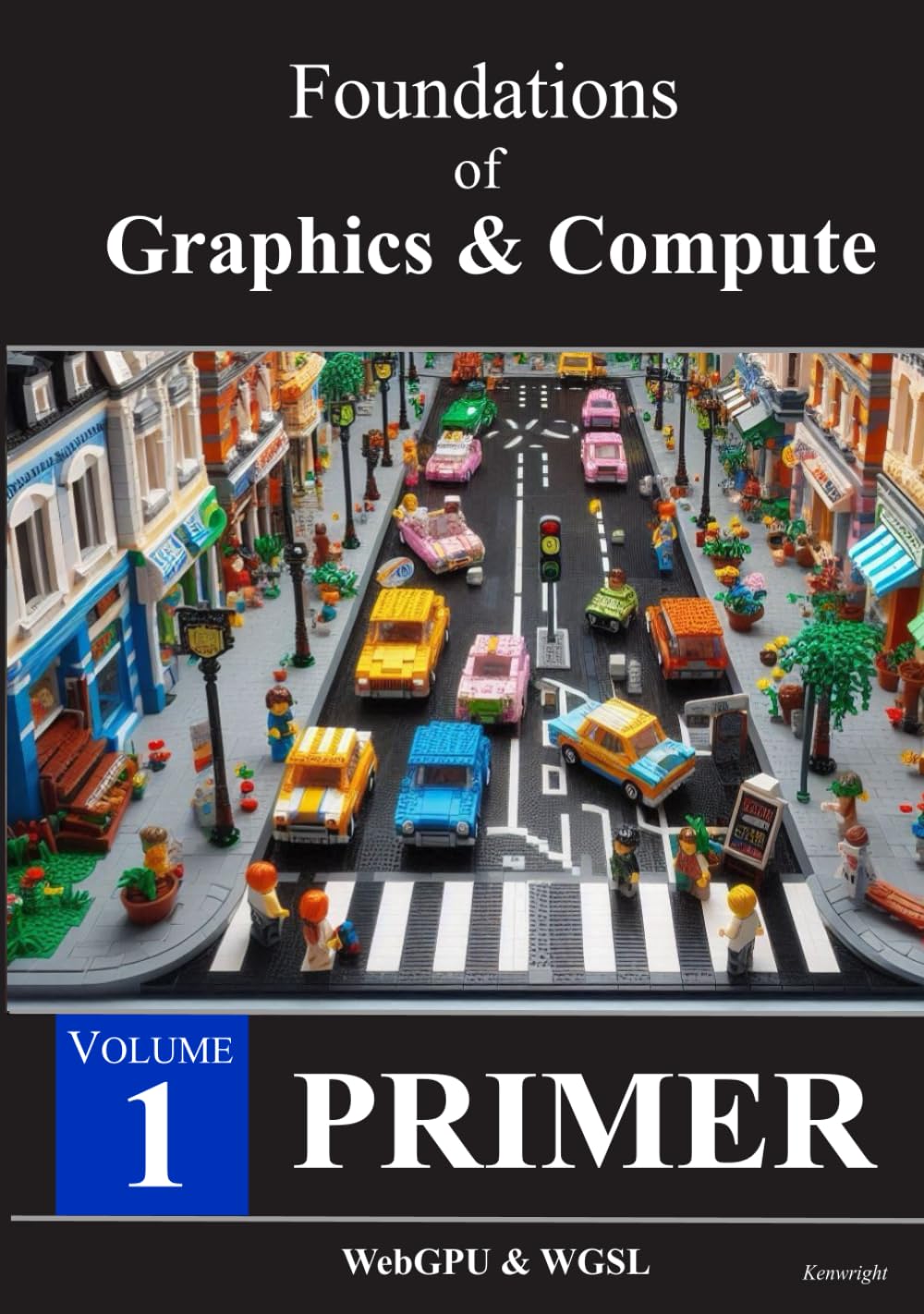
An enlightening journey into programming, "Graphics and Compute: Primer Volume 1 (Hardback)" explores its profound influence on the digital frontier. With clarity and enthusiasm, this essential read delivers fresh perspectives and actionable insights that inspire curiosity and spark meaningful progress.
This book stands out for its uplifting tone and empowering approach to graphics, making even the most complex topics feel approachable and exciting. Readers will find themselves motivated by the book’s clear explanations, thoughtful examples, and forward-thinking perspective. With a strong emphasis on real-world relevance, "Graphics and Compute: Primer Volume 1 (Hardback)" equips readers with tools and insights to thrive in today's fast-evolving landscape of compute. From foundational principles to advanced techniques, "Graphics and Compute: Primer Volume 1 (Hardback)" delivers a well-rounded experience that caters to learners at every stage.
Each chapter builds momentum with such precision and clarity that I found myself reading late into the night.
I felt like the author was guiding me personally. The tone was encouraging and the advice felt tailored to real challenges.
February 18, 2026
The section on compute sparked ideas I hadn’t considered before. It’s truly eye-opening.
Great point! I especially appreciated the chapter on implementation strategies—it offered clear, actionable steps I could use immediately.
February 12, 2026The integration of storytelling and data was masterful. It made the content both credible and compelling.
February 5, 2026
I wish I had discovered this book earlier in my career. Its clarity, depth, and relevance are unmatched.
I had the same experience. The practical exercises really helped solidify the concepts and made the learning process feel hands-on.
February 8, 2026The section on compute opened up new possibilities I hadn’t considered before.
February 13, 2026Stay updated with the latest in tech literature
This article covers the top seven Python libraries for implementing progress bars, with practical examples to help you quickly add progress tracking t...
Read MoreA high-severity Windows Admin Center vulnerability (CVE-2026-26119) could allow privilege escalation in enterprise environments. Here’s what to know...
Read MoreEnhance your reading and learning experience
Take brief notes after each chapter. Summarizing helps cement knowledge.
Follow the 20-20-20 rule: every 20 minutes, look at something 20 feet away for 20 seconds.
Use the Feynman Technique: teach what you learn to someone else to identify knowledge gaps.
Rubber Duck Debugging: explain your code line by line to an inanimate object.
Write documentation as if the next person reading it is a violent psychopath who knows where you live.
Use a pointer or your finger to guide your eyes. This can increase reading speed by 25%.
Sarah Johnson
Professional ReviewerThe author's clarity and warmth made even the most technical sections feel approachable and empowering.
February 6, 2026