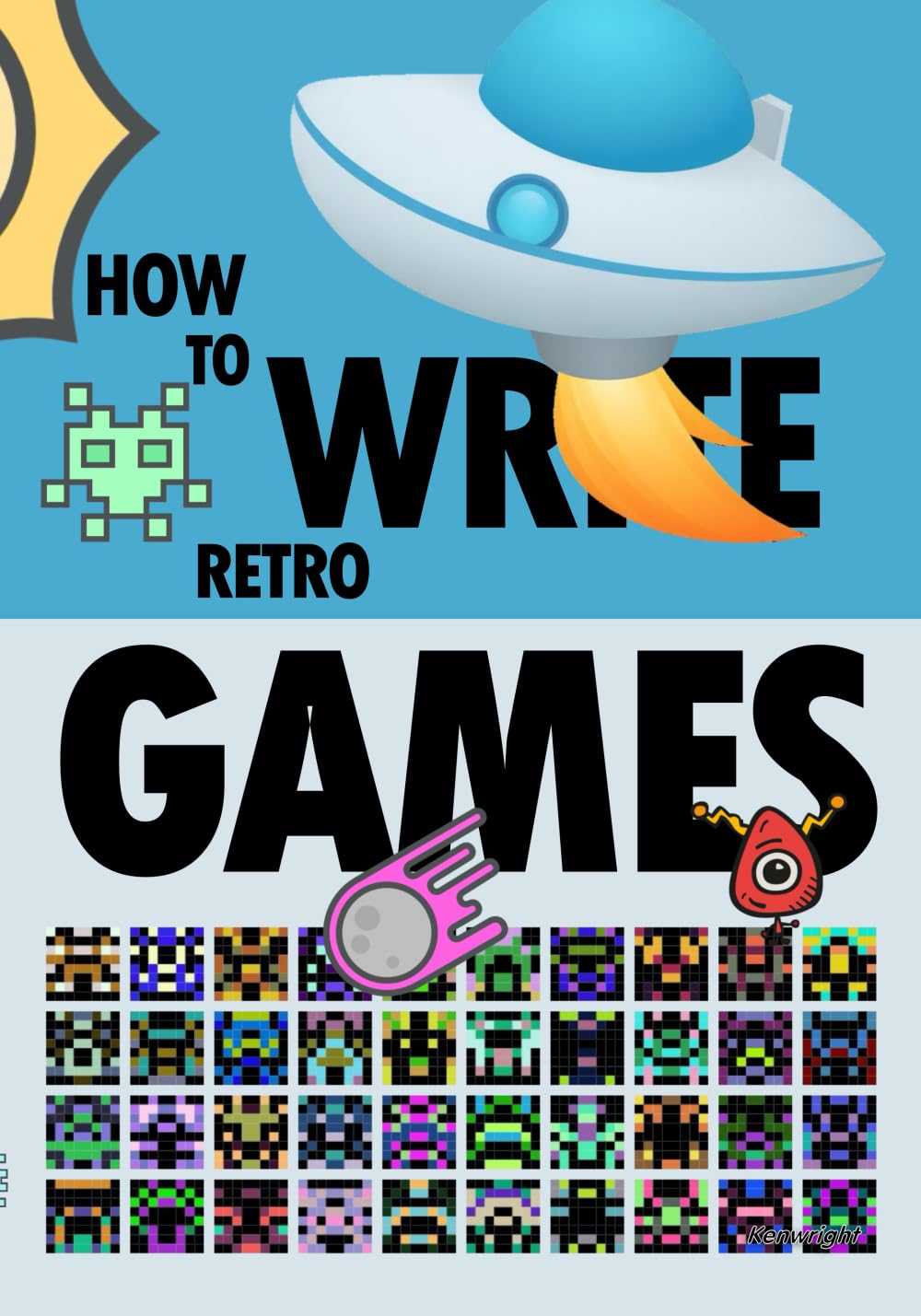
An enlightening journey into programming, "How to Write Retro Games - Web Programming (Paperback)" explores its profound influence on the intelligent systems. With clarity and enthusiasm, this essential read delivers fresh perspectives and actionable insights that inspire curiosity and spark meaningful progress.
This book stands out for its uplifting tone and empowering approach to graphics, making even the most complex topics feel approachable and exciting. Whether you're a curious newcomer or a seasoned professional, "How to Write Retro Games - Web Programming (Paperback)" offers a vibrant and rewarding exploration of the field. From foundational principles to advanced techniques, "How to Write Retro Games - Web Programming (Paperback)" delivers a well-rounded experience that caters to learners at every stage.
The depth of research is impressive, yet the writing remains clear and engaging throughout. A rare balance.
After 15 years in the industry, I rarely come across something this refreshing. Every page delivers insights that are both practical and forward-thinking. A must-have for professionals.
Same here. It’s rare to find a book that’s both intellectually rigorous and emotionally engaging—this one nails it.
February 18, 2026The diagrams and visuals were top-notch—clear, purposeful, and genuinely helpful in understanding the concepts.
February 10, 2026
Complex ideas are distilled into clear, engaging explanations. It’s a rare gem that welcomes beginners while still challenging seasoned experts.
Totally agree. The pacing and structure made it easy to stay engaged and absorb the content without feeling overwhelmed.
February 8, 2026The section on compute opened up new possibilities I hadn’t considered before.
February 12, 2026Stay updated with the latest in tech literature
This article covers the top seven Python libraries for implementing progress bars, with practical examples to help you quickly add progress tracking t...
Read MoreEnhance your reading and learning experience
Follow the 20-20-20 rule: every 20 minutes, look at something 20 feet away for 20 seconds.
Use a pointer or your finger to guide your eyes. This can increase reading speed by 25%.
Rubber Duck Debugging: explain your code line by line to an inanimate object.
Write documentation as if the next person reading it is a violent psychopath who knows where you live.
Organize books by color for visual appeal or by genre for practical access.
Take brief notes after each chapter. Summarizing helps cement knowledge.
Sarah Johnson
Professional ReviewerThe section on compute opened up new possibilities I hadn’t considered before.
February 9, 2026