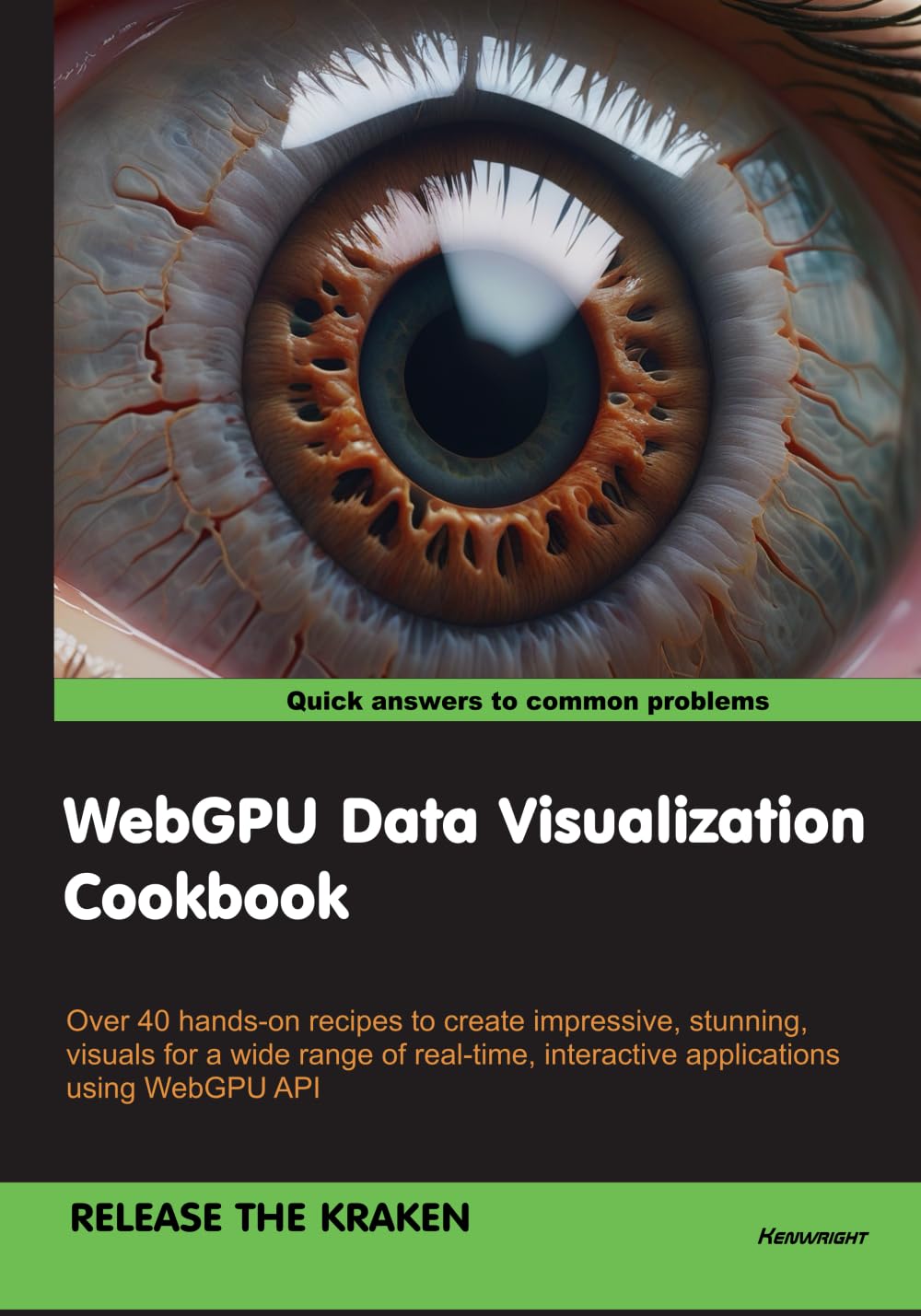
An transformative journey into webgpu, "WebGPU Data Visualization Cookbook (2nd Edition)" explores its profound influence on the data-driven world. With clarity and enthusiasm, this essential read delivers fresh perspectives and actionable insights that inspire curiosity and spark meaningful progress.
With a strong emphasis on real-world relevance, "WebGPU Data Visualization Cookbook (2nd Edition)" equips readers with tools and insights to thrive in today's fast-evolving landscape of graphics. From foundational principles to advanced techniques, "WebGPU Data Visualization Cookbook (2nd Edition)" delivers a well-rounded experience that caters to learners at every stage. Embark on a transformative journey through the world of webgpu with "WebGPU Data Visualization Cookbook (2nd Edition)", a masterfully written guide that blends clarity with depth. Readers will find themselves motivated by the book’s clear explanations, thoughtful examples, and forward-thinking perspective.
The interactive prompts and exercises made me feel like I was being personally mentored by the author.
I’ve already gifted copies to colleagues and friends—it’s that transformative and universally relevant.
Absolutely! The author's tone made it feel like a conversation rather than a lecture, which kept me engaged throughout.
February 12, 2026The section on graphics opened up new possibilities I hadn’t considered before.
February 14, 2026
The author's tone is confident yet welcoming, making even the most technical concepts feel approachable and empowering.
I found myself nodding along constantly—so many moments of 'aha!' throughout the book.
February 14, 2026Stay updated with the latest in tech literature
This article covers the top seven Python libraries for implementing progress bars, with practical examples to help you quickly add progress tracking t...
Read MoreA study finds that people who did one specific form of brain training in the 1990s were less likely to be diagnosed with dementia over the next 20 yea...
Read MoreEnhance your reading and learning experience
Organize books by color for visual appeal or by genre for practical access.
Rubber Duck Debugging: explain your code line by line to an inanimate object.
Use a pointer or your finger to guide your eyes. This can increase reading speed by 25%.
Follow the 20-20-20 rule: every 20 minutes, look at something 20 feet away for 20 seconds.
Use the Feynman Technique: teach what you learn to someone else to identify knowledge gaps.
Create a dedicated reading space with good lighting and minimal distractions.
Sarah Johnson
Professional ReviewerI loved how the author used personal stories to illustrate key points. It added depth and authenticity to the material.
February 6, 2026