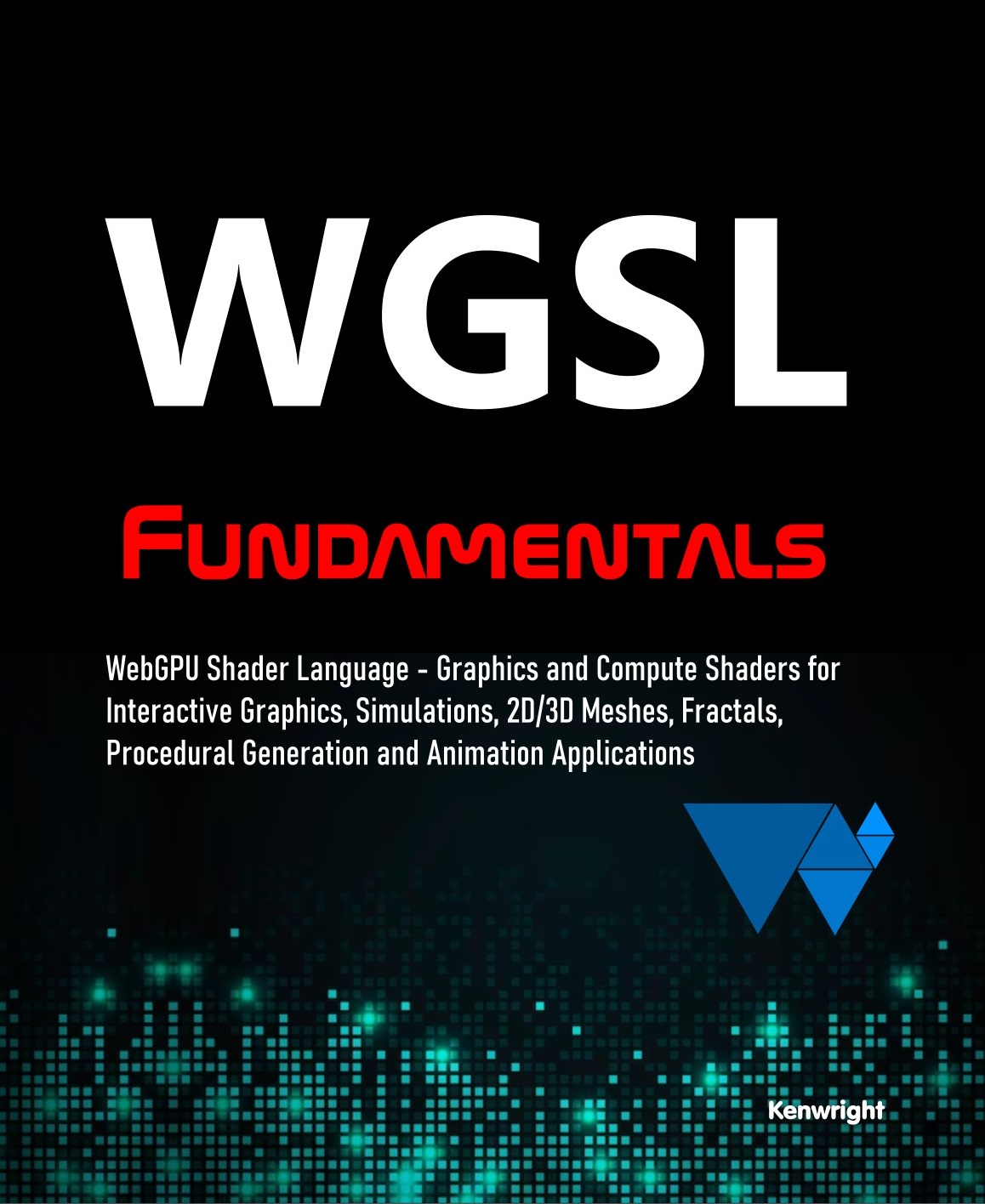
An empowering journey into webgpu, "WGSL Fundamentals (Paperback)" explores its profound influence on the digital frontier. With clarity and enthusiasm, this essential read delivers fresh perspectives and actionable insights that inspire curiosity and spark meaningful progress.
This book stands out for its uplifting tone and empowering approach to wgsl, making even the most complex topics feel approachable and exciting. The author's passion for the subject shines through every chapter, offering readers a refreshing mix of technical rigor and creative inspiration. With a strong emphasis on real-world relevance, "WGSL Fundamentals (Paperback)" equips readers with tools and insights to thrive in today's fast-evolving landscape of graphics. Readers will find themselves motivated by the book’s clear explanations, thoughtful examples, and forward-thinking perspective. Whether you're a curious newcomer or a seasoned professional, "WGSL Fundamentals (Paperback)" offers a vibrant and rewarding exploration of the field.
This book doesn’t just inform—it challenges assumptions and introduces a bold, refreshing framework for thinking differently.
The balance between rigorous research and relatable anecdotes makes this book feel both credible and deeply personal.
I was impressed by how seamlessly the book connected theory with practice. It felt like a roadmap I didn’t know I needed.
February 19, 2026Yes! I found the visual summaries at the end of each chapter incredibly helpful for reviewing and retaining key ideas.
February 14, 2026
This book doesn’t just inform—it challenges assumptions and introduces a bold, refreshing framework for thinking differently.
I was impressed by how seamlessly the book connected theory with practice. It felt like a roadmap I didn’t know I needed.
February 16, 2026Stay updated with the latest in tech literature
A study finds that people who did one specific form of brain training in the 1990s were less likely to be diagnosed with dementia over the next 20 yea...
Read MoreEnhance your reading and learning experience
Organize books by color for visual appeal or by genre for practical access.
Use the Feynman Technique: teach what you learn to someone else to identify knowledge gaps.
Create a dedicated reading space with good lighting and minimal distractions.
Follow the 20-20-20 rule: every 20 minutes, look at something 20 feet away for 20 seconds.
Write documentation as if the next person reading it is a violent psychopath who knows where you live.
Rubber Duck Debugging: explain your code line by line to an inanimate object.
Sarah Johnson
Professional ReviewerI loved how the author used personal stories to illustrate key points. It added depth and authenticity to the material.
February 12, 2026