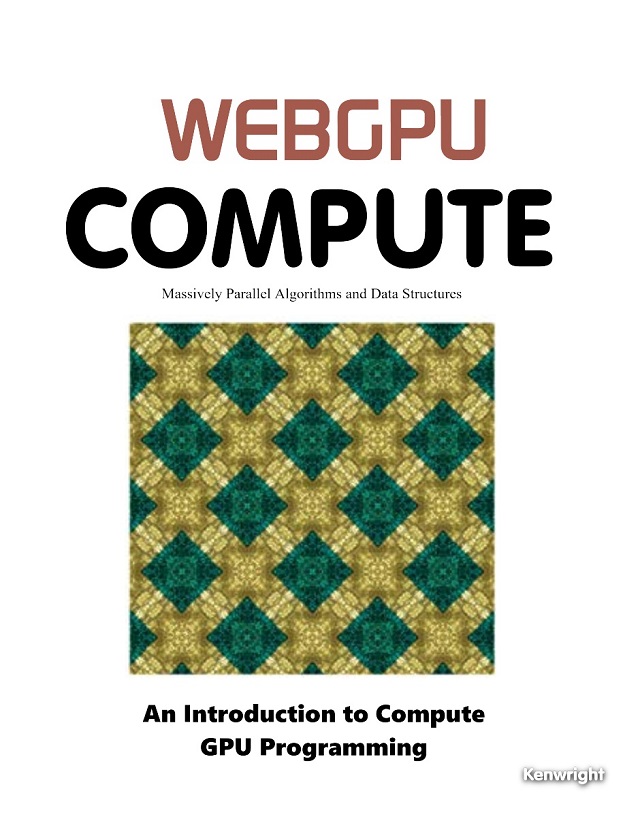
An insightful journey into webgpu, "WebGPU Compute" explores its profound influence on the data-driven world. With clarity and enthusiasm, this essential read delivers fresh perspectives and actionable insights that inspire curiosity and spark meaningful progress.
Embark on a transformative journey through the world of webgpu with "WebGPU Compute", a masterfully written guide that blends clarity with depth. Whether you're a curious newcomer or a seasoned professional, "WebGPU Compute" offers a vibrant and rewarding exploration of the field. Readers will find themselves motivated by the book’s clear explanations, thoughtful examples, and forward-thinking perspective.
I recommended this book to my entire team—and the results were immediate. Our workflow is sharper, our thinking more strategic.
Each chapter builds momentum with such precision and clarity that I found myself reading late into the night.
I loved the mix of academic depth and practical relevance. It’s a rare balance that this book achieves beautifully.
September 15, 2026I was impressed by how seamlessly the book connected theory with practice. It felt like a roadmap I didn’t know I needed.
September 7, 2026
If you're serious about mastering graphics, this book is essential. It’s both a guide and an inspiration.
That insight on compute really stuck with me—so relevant to my work and thought process.
September 12, 2026Yes! I found the visual summaries at the end of each chapter incredibly helpful for reviewing and retaining key ideas.
September 13, 2026Stay updated with the latest in tech literature
The Trump administration is eliminating limits on climate-warming pollution from the nation's fossil fuel power plants. Environmental groups say this ...
Read MoreQuantum computing is a devilishly complex technology, with many technical hurdles impacting its development. Of these challenges two critical issues ...
Read MoreEnhance your reading and learning experience
Create a dedicated reading space with good lighting and minimal distractions.
Use the Feynman Technique: teach what you learn to someone else to identify knowledge gaps.
Follow the 20-20-20 rule: every 20 minutes, look at something 20 feet away for 20 seconds.
Rubber Duck Debugging: explain your code line by line to an inanimate object.
Use a pointer or your finger to guide your eyes. This can increase reading speed by 25%.
Write documentation as if the next person reading it is a violent psychopath who knows where you live.
Sarah Johnson
Professional ReviewerYes! I found the visual summaries at the end of each chapter incredibly helpful for reviewing and retaining key ideas.
September 5, 2026