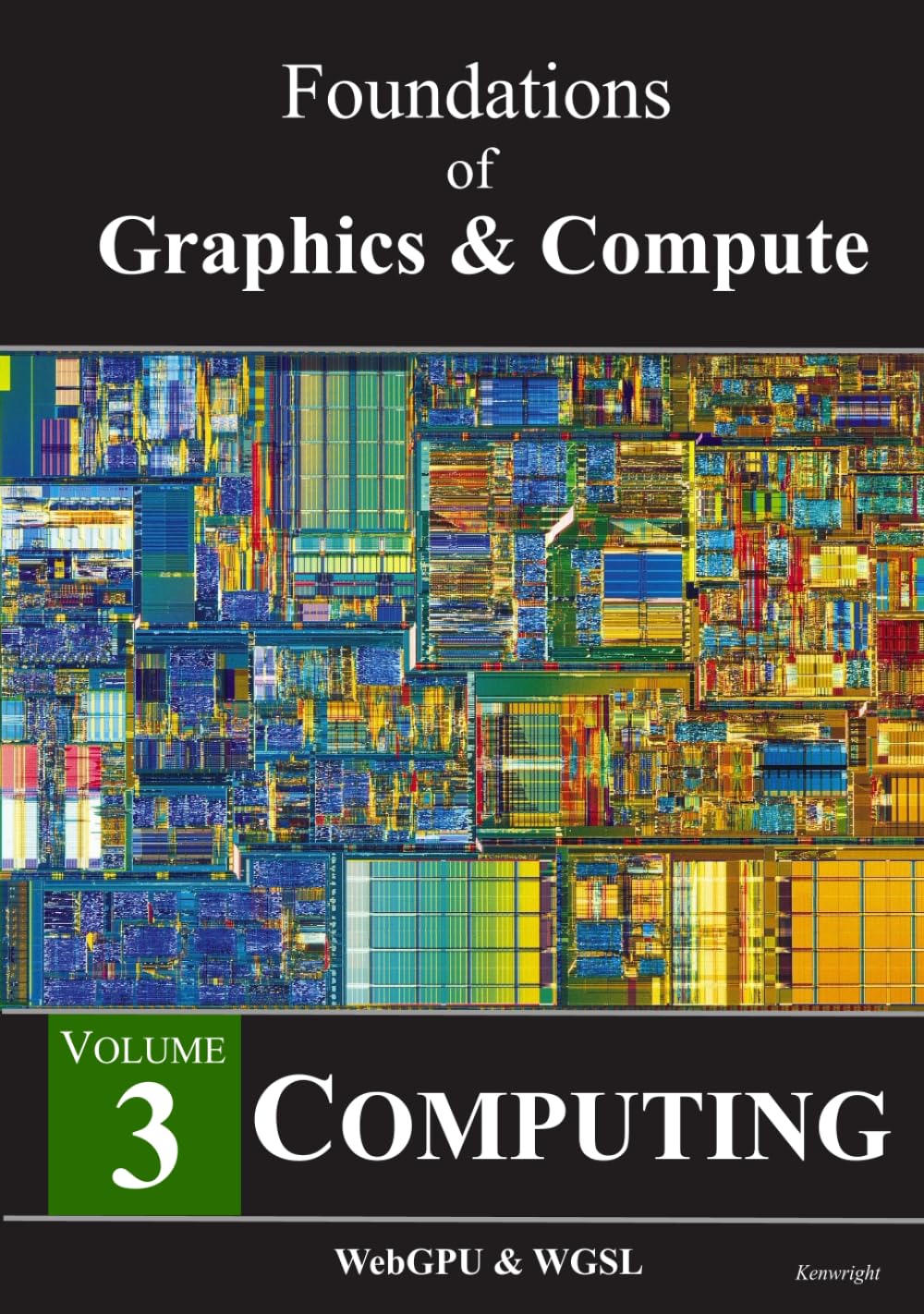
An transformative journey into webgpu, "Foundations of Graphics & Compute - Volume 3: Computing (Hardback)" explores its profound influence on the creative disruption. With clarity and enthusiasm, this essential read delivers fresh perspectives and actionable insights that inspire curiosity and spark meaningful progress.
Each page is infused with positivity and purpose, encouraging readers to think boldly and embrace new ideas with confidence. This book stands out for its uplifting tone and empowering approach to wgsl, making even the most complex topics feel approachable and exciting. With a strong emphasis on real-world relevance, "Foundations of Graphics & Compute - Volume 3: Computing (Hardback)" equips readers with tools and insights to thrive in today's fast-evolving landscape of programming. Embark on a transformative journey through the world of webgpu with "Foundations of Graphics & Compute - Volume 3: Computing (Hardback)", a masterfully written guide that blends clarity with depth.
This book is more than a read—it’s a catalyst for growth. I feel energized and equipped to take action.
I had the same experience. The practical exercises really helped solidify the concepts and made the learning process feel hands-on.
February 18, 2026
Each chapter builds momentum with such precision and clarity that I found myself reading late into the night.
This book didn’t just inform—it inspired me to rethink how I approach graphics in my own work.
February 8, 2026I loved how the author used personal stories to illustrate key points. It added depth and authenticity to the material.
February 7, 2026
I recommended this book to my entire team—and the results were immediate. Our workflow is sharper, our thinking more strategic.
I felt like the author was guiding me personally. The tone was encouraging and the advice felt tailored to real challenges.
February 11, 2026This book didn’t just inform—it inspired me to rethink how I approach graphics in my own work.
February 17, 2026Stay updated with the latest in tech literature
This article covers the top seven Python libraries for implementing progress bars, with practical examples to help you quickly add progress tracking t...
Read MoreIt was seven in the morning, and I was on my way to buy chicken—both hands buried in my pockets, trying to keep warm as the cold bit sharply. All I ...
Read MoreThis package of online courses includes training on AI workflows, content, and data with lifetime access. The post Train Your Team to Use Generative A...
Read MoreEnhance your reading and learning experience
Rubber Duck Debugging: explain your code line by line to an inanimate object.
Take brief notes after each chapter. Summarizing helps cement knowledge.
Use the Feynman Technique: teach what you learn to someone else to identify knowledge gaps.
Use a pointer or your finger to guide your eyes. This can increase reading speed by 25%.
Create a dedicated reading space with good lighting and minimal distractions.
Write documentation as if the next person reading it is a violent psychopath who knows where you live.
Sarah Johnson
Professional ReviewerI loved how the author used personal stories to illustrate key points. It added depth and authenticity to the material.
February 8, 2026