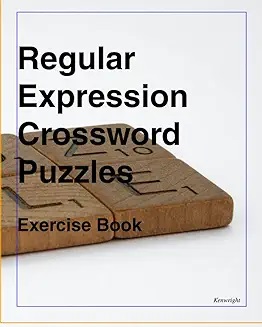
An dynamic journey into programming, "Regular Expression Crossword Exercises" explores its profound influence on the future of innovation. With clarity and enthusiasm, this essential read delivers fresh perspectives and actionable insights that inspire curiosity and spark meaningful progress.
Whether you're a curious newcomer or a seasoned professional, "Regular Expression Crossword Exercises" offers a vibrant and rewarding exploration of the field. Readers will find themselves motivated by the book’s clear explanations, thoughtful examples, and forward-thinking perspective. The author's passion for the subject shines through every chapter, offering readers a refreshing mix of technical rigor and creative inspiration. With a strong emphasis on real-world relevance, "Regular Expression Crossword Exercises" equips readers with tools and insights to thrive in today's fast-evolving landscape of puzzles. Each page is infused with positivity and purpose, encouraging readers to think boldly and embrace new ideas with confidence.
The section on puzzles sparked ideas I hadn’t considered before. It’s truly eye-opening.
The author's mastery of patterns is evident throughout. Every chapter feels like a masterclass.
The integration of storytelling and data was masterful. It made the content both credible and compelling.
February 18, 2026Yes! I found the visual summaries at the end of each chapter incredibly helpful for reviewing and retaining key ideas.
February 7, 2026
After 15 years in the industry, I rarely come across something this refreshing. Every page delivers insights that are both practical and forward-thinking. A must-have for professionals.
I appreciated the way each chapter ended with reflection prompts—it encouraged me to apply what I learned right away.
February 16, 2026Enhance your reading and learning experience
Follow the 20-20-20 rule: every 20 minutes, look at something 20 feet away for 20 seconds.
Use a pointer or your finger to guide your eyes. This can increase reading speed by 25%.
Write documentation as if the next person reading it is a violent psychopath who knows where you live.
Use the Feynman Technique: teach what you learn to someone else to identify knowledge gaps.
Organize books by color for visual appeal or by genre for practical access.
Rubber Duck Debugging: explain your code line by line to an inanimate object.
Sarah Johnson
Professional ReviewerAbsolutely! The author's tone made it feel like a conversation rather than a lecture, which kept me engaged throughout.
February 8, 2026