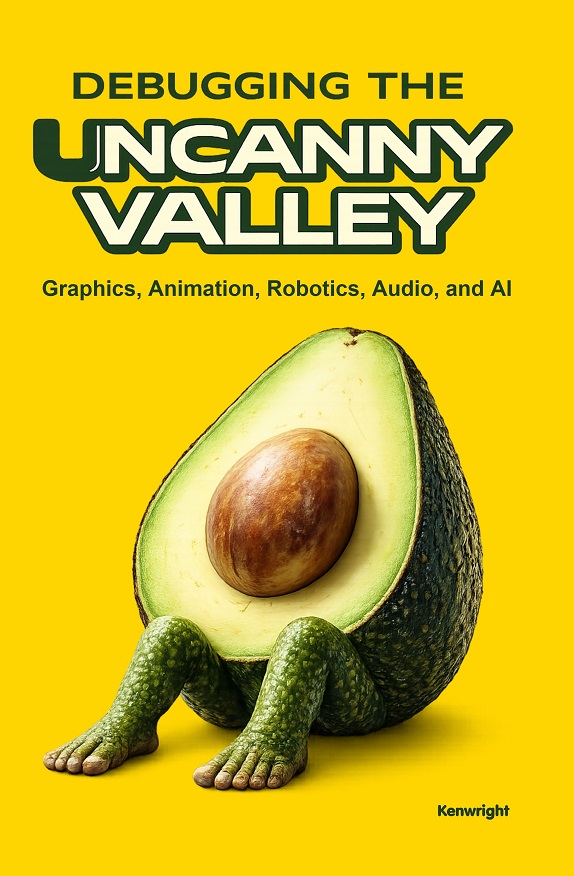
An empowering journey into Uncanny Valley, "Debugging The Uncanny Valley" explores its profound influence on the creative disruption. With clarity and enthusiasm, this essential read delivers fresh perspectives and actionable insights that inspire curiosity and spark meaningful progress.
From foundational principles to advanced techniques, "Debugging The Uncanny Valley" delivers a well-rounded experience that caters to learners at every stage. Whether you're a curious newcomer or a seasoned professional, "Debugging The Uncanny Valley" offers a vibrant and rewarding exploration of the field. With a strong emphasis on real-world relevance, "Debugging The Uncanny Valley" equips readers with tools and insights to thrive in today's fast-evolving landscape of Human Perception.
If you're serious about mastering Robotics Psychology, this book is essential. It’s both a guide and an inspiration.
The depth of research is impressive, yet the writing remains clear and engaging throughout. A rare balance.
I felt like the author was guiding me personally. The tone was encouraging and the advice felt tailored to real challenges.
July 29, 2026
A brilliant fusion of theory and practice. The case studies alone offer invaluable lessons that stick with you.
I loved how the author used personal stories to illustrate key points. It added depth and authenticity to the material.
July 25, 2026Stay updated with the latest in tech literature
Quantum computing is a devilishly complex technology, with many technical hurdles impacting its development. Of these challenges two critical issues ...
Read MoreEnhance your reading and learning experience
Take brief notes after each chapter. Summarizing helps cement knowledge.
Use the Feynman Technique: teach what you learn to someone else to identify knowledge gaps.
Follow the 20-20-20 rule: every 20 minutes, look at something 20 feet away for 20 seconds.
Use a pointer or your finger to guide your eyes. This can increase reading speed by 25%.
Create a dedicated reading space with good lighting and minimal distractions.
Rubber Duck Debugging: explain your code line by line to an inanimate object.
Sarah Johnson
Professional ReviewerI appreciated the way each chapter ended with reflection prompts—it encouraged me to apply what I learned right away.
August 1, 2026